In this episode of RoyOnRescue we take a look at the different numbers related to CPR over the years. There can be confusion when it comes to deciding what set of numbers are best for the best outcome. Watch this episode to learn the scoop on how CPR numbers may not be as important as some may think they are.
In this episode, I take a moment to talk about the recent traumatic death of an EMT who was struck by a vehicle while working with a patient on the scene of an accident. No matter if you’re a professional or a good samaritan, scene safety is the utmost important factor to keep in mind. It’s terrible that this EMT was killed in the line of duty trying to save lives and help people. I hope this RoyOnRescue helps to sharpen everyone’s level of awareness regarding safe scenes and how to rescue without becoming a patient yourself.
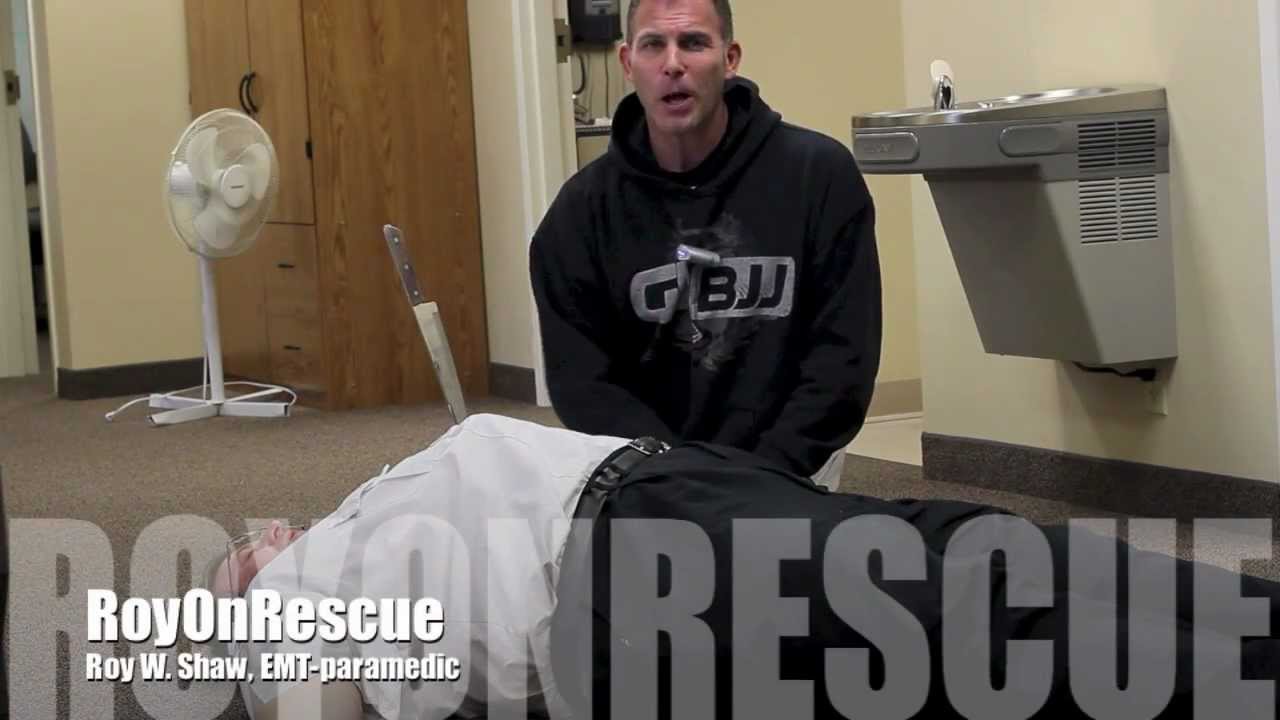
In this episode of RoyOnRescue, I answer two different emailed questions. The first from Michael who asked: “I was taught you remove the object only if it interferes with CPR.” Great question Mike. As a general rule of EMS, we only remove an impaled object if it’s obstructing the airway and preventing the ability to secure an airway. Removing an impaled object will often times “un-plug: the hole that was created by the injury and may cause excessive internal bleeding that can only be controlled in a surgical environment. As a lay rescuer, the Good Samaritan will follow the directions of the 911 dispatcher. In a worse case scenario, hands only CPR can still be performed. If the object is in the chest, try and work around the object as best as possible and provide what care you can without causing more harm. A second question came in just this afternoon from Sara who asks about an “ankle popping out” and what to do if this were to happen while on vacation. It sounds as though Sara may have a chronic problem with her knee or ankle but because of a recent injury is especially concerned that it could happen while on an exciting vacation this Friday. In both cases I hope that the advice I give helps and a little tidbit about the first aid acronym, RICES could be the solution while on vacation. Watch this episode to learn more about what to do in case either of these situations arise.
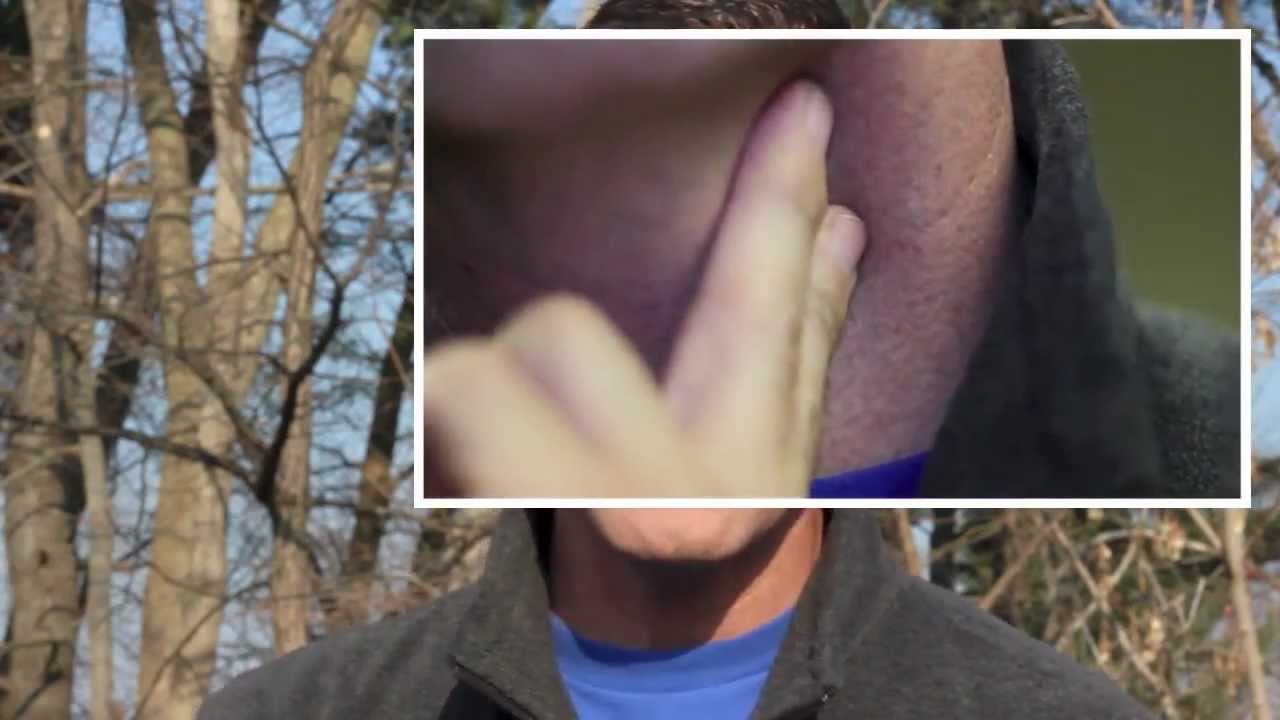
In this video, Roy takes a moment to explain a training that he includes in his CPR videos where he checks for a carotid pulse on one side of the patients neck and then the other without moving from one side to the other physically. Some students have asked if this is wrong, as they were taught to NEVER reach over the patients neck while checking a pulse. They were told that they could crush the patients trachea or even choke the patient! For Roy’s answer, you’ll want to watch this video.
Peace,
RoyOnRescue Team