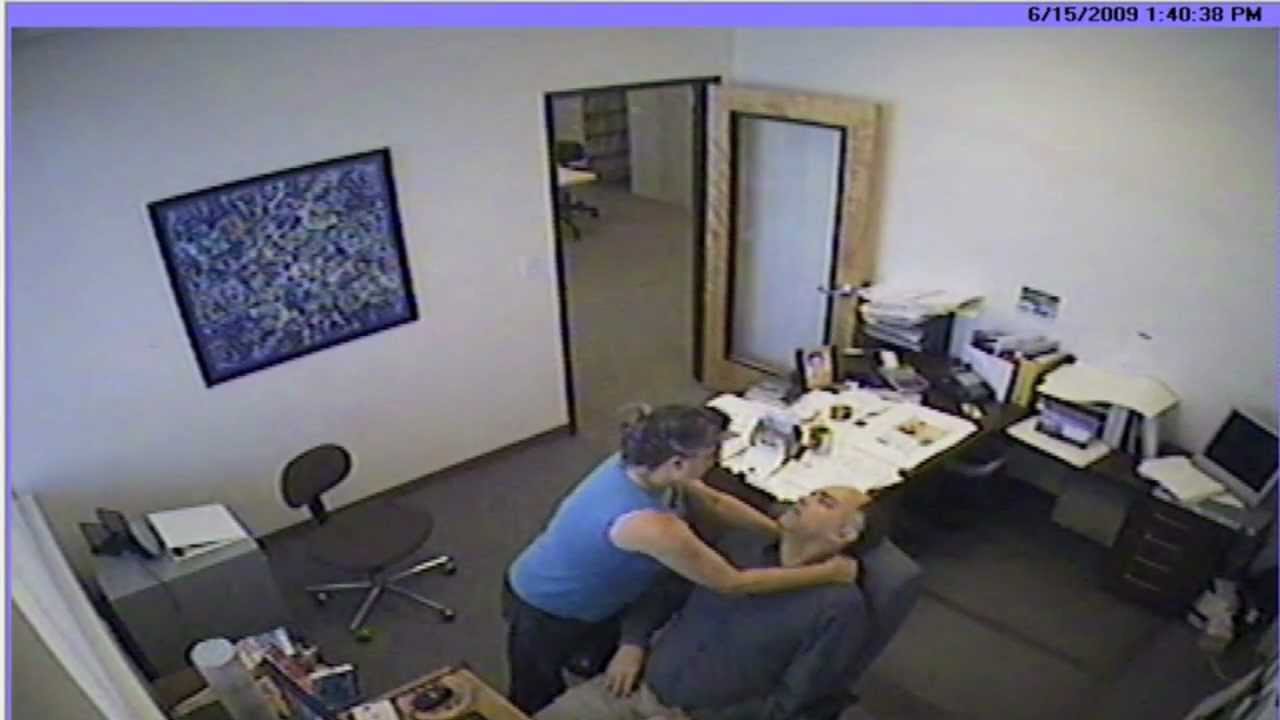
Watch A Real Cardiac Arrest and Survival! Plus Patient Interview Post Resuscitation.

I wanted to share this video with you.  We know sudden cardiac arrest happens almost every 2 minutes to someone in the U.S. but we rarely get a chance to watch a real cardiac arrest occur, see the rescue caught on a security camera and then hear the patient talk about his experience so that everyone can learn from it.  If you or someone you know does not know how to provide CPR, please go to www.profirstaid.com and watch the free CPR training by clicking on the training video tab.  Or simply click here after  you watch the video below.

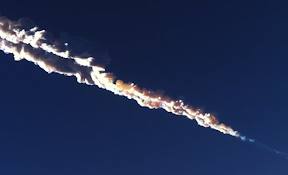
Meteorite Explodes Over Russia Injuring Thousands!

meteorcloud
I tried to release this video episode on Friday and unfortunately had some media problems. I wanted to make sure to address some of the questions regarding how people could be injured by the Meteor explosion if it never hit the earth. Great question, because the meteorite entered earths atmosphere so fast and burned so brightly when it came in, it drew thousands of peoples attention and they went near windows to gaze up at the aftermath of it’s entry. While people were standing by, the sonic boom was so loud, it shattered windows, caved in buildings and in some cases even blew in doors. The shards of broken glass was the greatest cause of injuries. But some reports said there could have been ear drum damage, some eye and vision disorders and I believe even one cardiac arrest though this may be hard to confirm. If you have any interest in what happened want to see shocking footage and how these injured people could have protected themselves, be sure to watch this episode of RoyOnRescue.

Should CPR and AED’s Be Required In Schools?

Students Train Free!

Every couple of minutes, someone suffers sudden cardiac arrest.  95% of these victims are dead before they make it to the Emergency Room doors.  In North Carolina, the Governor is trying to change that statistic.  She’s signed a bill that requires all highschoolers to be CPR trained prior to receiving their diploma.    Is it a good or bad idea and why do you feel the way you do?
Keep in mind that ProTrainings.com has already implemented a program that offers CPR training and certification to all high school students for FREE! ProTrainings.com and the StudentsTrainFree.com program reported that over 3000 high schoolers this year alone have already been trained and certified. If you know of any school desiring to implement a similar program, please contact ProTrainings.com and ask for the Student CPR department.

Why Put On Personal Protective Equipment(PPE) Before Checking For Consciousness?

Hello Rescuers!

I just received a question via our ProCPR customer feedback that read: PPE
Dear ProCPR, “Question 16 says you have on PPE (personal protective equipment)  already, then you check for
responsiveness. Why would you put on your PPE before you check consciousness?

– Anthony

In case anyone else may have asked the same question I though I’d address it.  First, Question 16 is the number this person was on while taking the ProCPR.org test.  This is the online portion of the Health Care Provider level BLS certification training in case anyone was wondering.

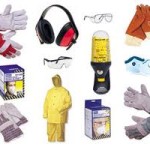
Okay,  now for the answer.  As professional health care providers, we should always be thinking about cross contamination.  We don’t want to catch what the patient may have and we don’t want to give the patient anything that we may have!  Remember, PPE works both ways.  Can anyone say, nosocomial infection?  Even if the patient isn’t in obvious distress or obviously infectious, we should be thinking about the fact that the person seems to be in need and may require medical treatment.  This means that we may need gloves, CPR shield with one way barrier, goggles, face mask, respiratory protection etc.   This is why it’s so important to think about PPE  whenever we encounter a situation that may call us into action.  Not just when the person is unconscious or not breathing.

Forever, I’ve battled the problem with health care professionals short cutting PPE while giving care or even thinking about care.  We really do need to consider the two way protective properties related to infection control as it relates to appropriate personal protective equipment.

When it comes to layperson rescue, one of the top five reasons that laypeople will not intervene when a person is in distress is the fear of disease!  If the rescuer is approaching a victim and dons their gloves early as well as ensures that they have a CPR shield available, the fear of catching a disease is greatly diminished.  This will  increase the chances that the Good Samaritan may actually get physically involved in the rescue.

Now I know what you may be thinking…”Roy!  Do you really think that I’ll have one of those rescue kits on by belt all the time?  You may be a “Rescue Hero” type but the feasibility of me having PPE on my person when I’m at the beach, shopping, walking, vacationing, or even at a business meeting is slim to none.”  Well, I have to agree!  Unless you are a professional rescuer on duty, you probably won’t have your jump kit, glove pouch or a one way valve mask bag swinging from your belt loop.  So how will you have the PPE you need at the time you need it?  The best way I’ve found is to have a key ring rescue kit.  The catch is having it be small enough to not get in the way and large enough to carry your gloves and a one way CPR shield.  The reason I say a Key Ring style, is that I think that keys are the one item that most people have with them most of the time.  If they don’t have them with them, then they are usually close at hand.  And if we have our keys, we’ll at least have gloves and a CPR shield.   So make sure you get one and then the PPE problem is out of the way.  Still don’t think that PPE is needed?   Well, that’s why the AHA endorses “hands only” CPR!  It’s really not that compression only CPR is better than full Cardio PULMONARY resuscitation, it’s that there are so many non PPE toting people afraid that they may catch a disease if they do mouth to mouth rescue breaths that we had to design a new form of  bystander CPR.  Since implementing  “Hands only” CPR, there has been an increase in rescuer involvement.  And when people get involved and provide CPR, lives are saved!

PPE should be on every rescuer’s mind…and key chain, lay or professional and when we begin to think about PPE as the first step in rescue, lives are saved and infection is prevented more often!

Hope this helps.

Lindsey Vonn Super G Skiing Accident Medical Breakdown


newskicrashthumb

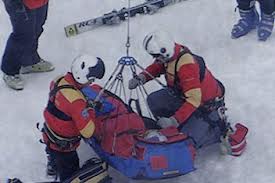
In this episode of RoyOnRescue, I take a look at the details of the recent Lindsey Vonn skiing accident and what mechanism of injury caused the serious knee injury she suffered. Watch actual footage of the accident while I comment on how the crash caused her injuries. Then, discuss what steps you might take to minimize further damage and what you would do as the rescuer on scene prior to air evacuation.

When Abdominal Pain Calls For 911!


hitinthestomachIs abdominal pain a reason to call 911?
“Abdominal pain is pretty common, how do I know when to call the doctor or when to call 911?” -email sent by rescue fan.


I noticed that some Rescue Fans were wondering about when to call 911 or know when they should seek help after they get hit in the stomach. Great question! Abdominal pain can be everything from simple gas to a life threatening bleed. In my opinion, one should call 911 whenever the pain is causing decreased level of consciousness, is unbearable, rigid abdomen, pale skin, blood in urine or feces or anytime that voice inside is saying, “something isn’t right”. Then, if its nothing, great! But if it is serious, time is short and fast action to the hospital is vital. I hope this helps!

Stay well!