In this episode of RoyOnRescue, Roy takes some time to catch up on different emailed questions and comments that have come in over the last few months. The two different emailed questions that were answered were; “won’t laying a person down while choking only make it worse?” and “I thought we were always suppose to control arterial bleeding before beginning cpr!”. Roy takes his time to discuss these two different topics and explain the reasons why we do what we do in rescue in detail.
Be sure to join Roy in Part 1 of several parts as he works his way through a list of different topics that have been sent in by viewers like you.
Remember, If you’ve got a question or comment that you would like Roy to answer or give a response, please send it via email to: royonrescue@gmail.com. Be sure to follow Roy on twitter at: @royonrescue
Remember, your actions make a bigger difference than you realize and you can change the course of history.
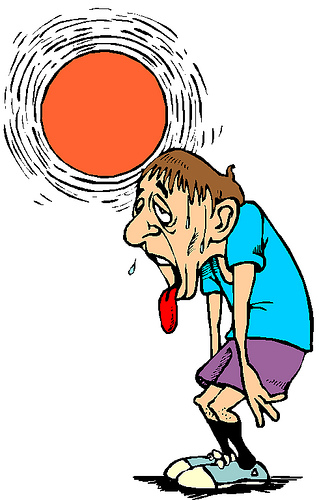
In this RoyOnRescue Video blog, Roy takes a look at the record breaking heat that most of the Country has been experiencing and gives a few tips on recognition and treatment of heat related emergencies like; heat exhaustion, heat stroke, dehydration, electrolyte problems etc. So learn what to do, and how to survive the severe summer heat. Don’t miss this episode of RoyOnRescue!
P.S. Below, I’ve included some really clear signs and symptoms of heat related injuries, compliments of WebMD. Click on the WebMD link for more information.
What Are the Symptoms of Heat-Related Illnesses?
Heat cramp symptoms include:
Severe, sometimes disabling, cramps that typically begin suddenly in the hands, calves, or feet
Heat stroke can occur suddenly, without any symptoms of heat exhaustion. If a person is experiencing symptoms of heat exhaustion or heat stroke, GET MEDICAL CARE IMMEDIATELY. Any delay could be fatal. Seek emergency medical care for anyone who has been in the heat and who has the following symptoms:
Confusion, anxiety, or loss of consciousness
Very rapid or dramatically slowed heartbeat
Rapid rise in body temperature that reaches 104 to 106 degrees Fahrenheit
Either drenching sweats accompanied by cold, clammy skin (which may indicate heat exhaustion); or a marked decrease in sweating accompanied by hot, flushed, dry skin (which may indicate heat stroke)
Convulsions
Any other heat-related symptom that is not alleviated by moving to a shady or air-conditioned area and administering fluids and salts
In this episode, I wanted to take a moment to focus on the success of rescue attempts. Though it’s no guarantee that anyone will survive no matter how hard we try to save their lives, from time to time…they do.
And this is a video that celebrates survival. Don’t forget to celebrate the caring enough to try, no matter what the outcome too.
Cheers,