Hello Rescue Fans! I’ve debated as to whether I should discuss Ebola from either a professional or lay person level or even discuss it at all. Because of an experience I had where I walked into a contaminated bathroom that could have been an infectious problem, I decided it was definitely worth taking about. In this episode, I talk about Ebola, it’s risks and how breaking the chain of infection through disinfection and barriers, it’s almost impossible to contract an infection. My hope is that rather than simply re-discussing the same things you’ve been hearing about Ebola, I’ll help shed light on how to arm yourself with awareness, and the techniques required to stop an infection in it’s tracks. I hope this helps.
Tag Archives: royonrescue
When Does An Injured Finger Need To Be Seen By The Doctor?
Hello Rescue Fans!
I received an email from someone who fell while rollerblading and injured their hand. They didn’t want to go to the doctor if they didn’t have to, but were concerned that they may have a fracture or a more serious injury and didn’t want to make a bad decision.Though I’m no “Orthopod“(slang word for the day meaning orthopedist) but there are a few tell-tale signs that I look for to determine if a trip to the doctor is warranted. Let’s face it, almost all injuries bruise and swell, but it’s in finding a couple of other things like crepitus or deformity that we realize this may be more serious. Keep in mind, even a bruise or swelling could be reason enough for trip to the doc. Though needless trips to the ER are never fun, losing the important function of fingers or toes is even worse. For those of you who can relate, I hope this helps!
Trampolines, Teeth and Cuts With a Concussion!
I received a Rescue Fan’s email today that described what sounds like an accident on a trampoline. Their friend hit their mouth on their head and now they sound as though they have concussion symptoms with a possible infection on the scalp. They asked my opinion and the following is my reply. It’s warm and it’s trampoline weather so if this happens to you or someone you know, I hope it helps!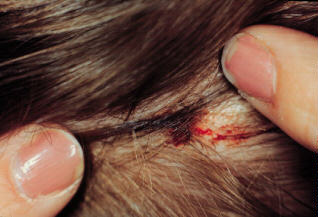
I wrote:
Ouch! So, it sounds like your friend hit their mouth on your head and though it didn’t knock you out, it made you feel dizzy and now is painful/sore and maybe even a small abrasion or cut? If you’re feelings dizzy, nauseated(sick to your stomach) and have a headache, it sounds like you may have a concussion. As long as the symptoms get better with time from the concussion, you’re probably in pretty good shape. Some people just take tylenol or another over the counter(OTC) pain medication for the headache. With time and rest, it should get better. If not, call your doctor. If you it’s severe or you go unconscious, a family member should call 911. The pain to the touch, redness, or cut and possibility of something coming from the wound may indicate an infection which could be a problem too. If you think it’s something that could be getting infected, it sounds like it may have been a laceration. If so, I’m not sure if needed stitches originally(didn’t sound that way from your story) but it’s probably too late for stitches at this point. Some people like to put triple antibiotic on their cuts and abrasions to control infection. If you’re not comfortable with over the counter or it’s really starting to concern you, it may be a good idea to see your doctor. Have your mom take a look at the wound by separating your hair. Is there a laceration where the skin forms a fish mouth? Is it oozing any white, or discolored and blood tinges secretion? If any of these, then it’s probably a good idea to see a doctor. If not, and the wound is closed but red and sore, it’s common for people to get triple antibiotic at a drug store or grocery store, keep the wound clean and then put some of the ointment on the abrasion with a Qtip or cotton swab. Do this until the wound is healed and not painful. Wash your hands before and after all treatment to help not re-infect or infect the wound.
Remember, when in doubt, call your doctor and follow their advice. In the meantime, I hope this helps.
Going On Vacation and Woke Up With Sore Throat…Help!
 Hello Rescue Fans,
This morning, I received an email from a Rescue Fan that is planning on going on Memorial weekend vacation, but woke up with a really sore throat. With no time to see their doctor, they wondered if there were any over the counter or home remedies that they could use while on vacation. Here was my advice and if you can relate, I hope it helps.
“Hi Sarah,
The only way to know for sure if the source of your sore throat is a Strep Infection is to get a test at the doctor’s office or med center. It sounds like you don’t have time for that but if you’re concerned about it being something serious, like Strep, than call your doctor, explain that you’re going on vacation and see if they can “fast track” you through to rule out Strep and get Antibiotics if needed.
Now, if it’s not Strep and just a virus or allergies etc. there are some things that have been found to be helpful which can be found at any drug store/grocery store or home pantry. These won’t get rid of the Strep Bacteria but if it’s just a sore or irritated throat, it may help.
Here’s a combination of home remedy and over the counter help.
-Warm to Hot Tea Lemon/Honey Tea: Caffeine free is best for rehydration but any tea can work. Fresh squeezed honey would be best and local honey.
–Gargling with Warm Salt Water: 1/2 teaspoon iodized salt, gargle with head back and spit water out after each gargle for about 10 seconds each. Half a glass of saltwater is fine. Then, don’t rinse your mouth afterward. Tongue may feel a little funny, lips too but that’s from the salt water and should go away.
–Chloraseptic Spray and Lozenges: I like Chloraseptic brand throat spray, and though it can’t claim to cure a bacterial infection, I don’t think it can hurt because it does have some antiseptic properties along with it’s numbing effect. Offers temporary relief but may be of help.
-Stay Hydrated: We should drink at least 6-8 8oz glasses of water per day. More if we’re sick, exercising or drinking caffeine.
-Drink Broth: It’s usually quite salty, warm and doesn’t scratch your throat.
-REST!
Your body needs its rest in order to heal. If you’re feeling tired, try and get some sleep. Usually, vacations are anything but rest, but regardless that’s my advice.
I hope you’re feeling better soon and I hope this helps!”
Concerned Neighbor Saves Countless Lives By Thwarting Minnesota Bomber!
In this episode of RoyOnRescue’s iRescueRadio, the guys discuss a terribly close call that almost occurred in Minnesota. A 17 year old extremely troubled young man, was making home made bombs, gathering firearm ammunition and plotting exactly how he was going to murder his family, school administrators and innocent children at school. To learn more about how you can help prevent something similar in your neighborhood, watch this episode of iRescueRadio.
3 Heart Healthy Foods To Eat On A Business Lunch
As I was between business meetings and getting hungrier by the minute, I decided to grab lunch. I had splurged a bit over the weekend for my Wife’s birthday and surely didn’t want to betray my vegan/vegetarian commitment. Eating out can really be challenge for those who are trying to eat foods that lower our risk of stroke, heart attacks and cancer. In this episode, I discuss the three things I found in a downtown cafe/farmers market and had a wonderful lunch without compromising my goal for good health. Hope this helps give you some ideas on how to eat for life while maintaining a busy and active lifestyle.
Does Eating Snow Cause Hypothermia?
A Rescue Fan wrote in and basically said, “Hey! Bad advice! Everyone knows that eating snow when stranded in the wilderness is a bad idea. It can make a person hypothermic!”
As I thought about their comment, I began to do some research and then some deeper thought on the subject.
I instantly began to wonder if the commenter had a point. Is it better to slow down the hypothermia that may be already causing symptoms or die from dehydration?
Remember, hypothermia usually sets in as quick as 3 hours or less in certain cases while life threatening dehydration can take up to 3 days. So, if you’re surviving the elements long enough to dehydrate, you’re probably staying somewhat warm. If so, then consuming snow or melted snow and getting hypothermic as a result is probably the last of your concerns when thinking about staying alive. For if you survive the elements, dehydration and death will be knocking in about 2-3 days.
http://www.livescience.com/32320-how-long-can-a-person-survive-without-water.html
iRescueRadio 002: Stem Cells, Overworked Doctors, Cancer Vaccine, Asthma, and Sleep
 This episode of iRescueRadio was originally released in November of 2008. In it we discussed how stem cells have shown to help the body accept an organ transplant; we investigated the reasons for misdiagnosis of asthma and other illnesses, such as overworked doctors and excess paperwork; a new skin cancer vaccine is discussed; and the power of sleep as a memory aid and an important agent to fight cancer.
iRescueRadio Episode 2 [Download]
3 Rules To A Healthy Lunch Made Easy!
3 Rules to Eating A Healthy Lunch On The Run
And welcome back rescue fans!
So you’ve taken the plunge into eating a vegetarian or vegan diet and maybe even have seen that you’ve got to limit your wheat intake. Now, you’re hungry, you’re at work and have no idea where to eat, what to eat or where to begin? Well stay tuned to this episode of RoyOnHealth because I have some ideas for you! Full transcript to follow under video window.
Continued Transcript To Follow:
So I finished my workout, and on my way to the ProTrainings offices, I knew I needed to grab some food for lunch. Now keep in mind, I’ve changed my diet and my exercise routine a lot over the last 10 years but nothing like I’ve done in the past 12 months. I could probably be pretty accurately described as a Vegan Hybrid. Well, as I was moving my way through the vegetable section and had my arms filled with my top 4-5 products I noticed another patron that seemed a bit lost. They would first look at the salads, then they would look at the fruit section, then they would go back to the whole vegetables only to end up back at the banana section of the fruit area. It was then that I thought, you know, I wonder how many healthy diets are failed because it’s just too confusing or difficult to do? Well, I’ve got a couple of ideas for you.
First, let’s set some ground rules that I use for my own diet. What kind of diet to I eat you ask? I’m a Veganvegetarian Hybrid
What’s a veganvegetarian hybrid you ask? Well, it’s it’s a made up name for when I will eat meat when set before me by friends and family but when on my own, is not consumed. I do from time to time have dairy products but for the most part, I prefer a vegan diet as it’s what makes me feel the best most of the time. The reason I eat this way is based on some pretty hard science that proves that animal protein is probably the leading reason we have inflammatory, cardio vascular and cancer problems. More on that later but that’s the reason I eat the way I eat.
Now, If you’ve ever tried to eat whole, plant based foods that are not made of animal products or anything that contains gluten, you know that it can be a bit of a challenge and so I thought I’d share some help.
Now, I’m going to let it rip starting right here! And this is in order to develop a healthy life style that is sustainable, manageable, and effective. If you don’t care about your health, stop watching already. But if you do, and you’ve had this frustration, keep watching.
Number 1 Rule: Don’t be in love with the taste of food as much as you love the results of a healthy lifestyle. This is a precursor to making my dietary hints work. If you’re picky, if you can’t eat anything that you don’t absolutely love…then, this is not for you. Or at least until you master your tastebuds.
Number 2. Diversify your foods enough to get a mix of nutrition but don’t worry so much…it’s only lunch! You can get crazy with the balance of your meals at home when you’re in your own kitchen and have a refrigerator.
Number 3. Think simple: We only need between 250-50 calories per meal and Liquid, Fiber, Fruit and/ or protein adds up fast. It’s not about feeling full, it’s about knowing that you’ve eaten what you need to be healthy.
For example,
Banana’s (105 cal per). Good potassium for post workout but high in sugar, almost 28 grams per. it also contains Dietary Fiber, Vitamin C, Manganese, and is a very good source of Vitamin B6.
I look at a Banana like a candy bar. Healthier but still loaded with sugar. But, if I’m running short on time, I can spread a little peanut butter on the banana and Vala! I have a smooth, tasty and nutritious protein bar on the go.
Celery sticks are becoming a staple for me. They’re loaded with water, are a good source of vitamin A and Magnesium as well as they are alkolotic and help digestion. Because they’re so full of water, they really help the peanut butter go down. Now, I like to spread peanut butter on them to round out the vegetable and protein combination which keeps me going through out the day but if you’re allergic to PB, you may be able to try humous. Very good too. It’s high in plant protein but doesn’t have any peanut allergy risk.
I fall back on Peanut Butter quite a bit but be careful. It’s calorie count adds up fast. almost 190 calories in just 2 tablespoons! That amount only has 3 gm of sugar but carries a whopping 7gm of protein.
Maybe you want something that tastes like wheat or grain but you have a Gluten sensitivity or cilia disease. More and more food producers are making GF products and here is a really delicious GF granola that i tried today. KIND healthy grains is GF but tastes very good. At 130 calories for a 1/3 cup it’s low on suer at 6g and at 3G of protein it’s not a bad source to replace the peanut butter. You’d have to have almost 2/3 of a cup to get as much protein as 2 tbspn of peanut butter but hey. We’re not freaking out about this.
Of course, there’s always a variety of nuts to eat. My favorites are Almond, ideally raw but I know, it can be hard sometimes. Walnuts, Pecans and seeds like sunflower, pumpkin and pine.
So, next time you’re hungry but don’t want to fall of the wagon, go to your local grocery store and look for these items. They’re nutritious, they’re animal protein free and they taste good too! Oh sure, your colleagues will look at you funny while they’re wolfing down they’re two for one wendy’s chilly or their big mac, but hey! It’s kind of fun being out of the ordinary isn’t it?
From RoyOn Health…
Here’s to your health!
How To Process Feelings Of Guilt When CPR Doesn’t Work
I received an email from a person who provided CPR to their father but unfortunately, their father did not respond to the CPR and remained dead. The child who provided CPR to them is now dealing with incredible feelings of failure and guilt. They feel as though they failed their father. They feel as though they did not help enough. They are sad, but they also feel responsible that their loved one is gone.
I knew I had to respond to this as soon as possible so I recorded a direct message to them in hopes that it can help them understand that they did everything right and what’s more…they showed a wonderful act of love to their father. I hope this helps them but I also hope it helps others who are suffering from the same or similar feelings. Peace Be With You.